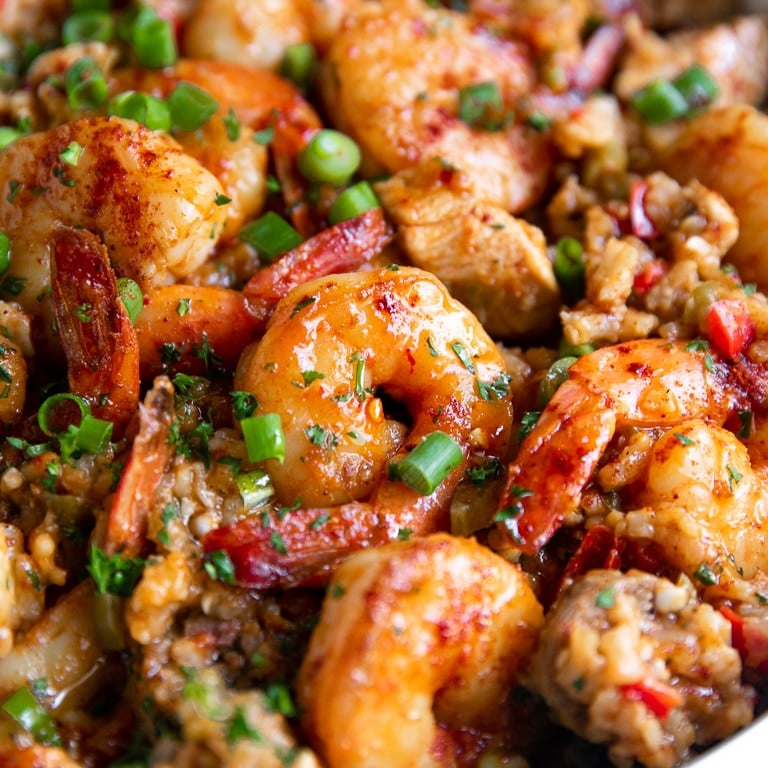
Unlock Flavor: Your Guide to a Perfect One-Pot Jambalaya Feast
There’s a special kind of magic that happens when a single pot holds the promise of a complete, flavor-packed meal. Among these culinary treasures, few shine as brightly as jambalaya. This iconic Louisiana dish, a symphony of savory meats, aromatic vegetables, and perfectly cooked rice, is the quintessential comfort food. If you're searching for an authentic
jambalaya recipe that delivers a rich, satisfying feast with minimal cleanup, you've come to the right place. Get ready to embark on a culinary journey to the heart of the Bayou, all from the comfort of your kitchen.
Our guide will focus on a version of jambalaya most closely associated with the vibrant culinary traditions of New Orleans – the "red jambalaya." This style is characterized by its inclusion of tomatoes and often features succulent shrimp alongside the classic chicken and sausage, creating a robust and deeply flavored base that sets it apart. While it might appear complex, jambalaya is surprisingly accessible, making it an ideal choice for feeding a hungry crowd or simply indulging in a hearty, home-cooked meal.
The Heart of Louisiana Flavor: What Makes Jambalaya Special?
Jambalaya is more than just a rice dish; it's a vibrant tapestry woven from the diverse cultural threads of Louisiana. With roots tracing back to Spanish paella, French culinary techniques, and African influences, it embodies a unique fusion that resulted in something truly extraordinary.
The soul of any good jambalaya lies in its aromatic base, famously known as the "Cajun holy trinity": chopped onion, celery, and green bell pepper. These humble vegetables are slowly cooked to a golden perfection, building a foundational layer of flavor that is both deep and complex. From this base, the dish evolves, embracing a harmonious blend of meats, spices, and rice.
One of the defining characteristics of this particular
jambalaya recipe is its nod to both Creole and Cajun traditions. While traditional Creole jambalaya often features tomatoes and can include seafood like shrimp (hence the "red" designation), Cajun jambalaya typically omits tomatoes and emphasizes browning the meat for a deeper, more rustic flavor profile. Our version beautifully marries these styles, incorporating the richness of tomatoes and shrimp (Creole) while ensuring the meats are thoroughly browned (Cajun) to unlock their full potential. The result is a bold, intensely satisfying dish that’s spicy, smoky, and utterly comforting, perfect for a festive Mardi Gras spread or a cozy weeknight dinner.
Crafting Your Perfect Pot: Key Ingredients & Customization
The beauty of jambalaya lies not only in its flavor but also in its versatility. While there are core ingredients that form its identity, there’s ample room for personal touches, allowing you to tailor the dish to your preference.
*
The Meats: A classic jambalaya often features a powerful trio.
*
Chicken: Boneless, skinless chicken thighs or breasts cut into bite-sized pieces are ideal. Thighs tend to stay juicier.
*
Andouille Sausage: This spicy, smoked pork sausage is non-negotiable for that authentic Louisiana kick. Its distinct flavor permeates the entire dish.
*
Shrimp: Essential for our New Orleans-style red jambalaya, shrimp adds a delicate sweetness and briny depth that beautifully complements the richer meats. Add them towards the end of cooking to prevent overcooking and rubbery texture.
*
The Holy Trinity: As mentioned, onion, celery, and green bell pepper are the foundation. Don't rush the process of sautéing these; they need time to soften and release their aromatic magic.
*
Tomatoes: Canned diced tomatoes or crushed tomatoes are key to the "red" jambalaya style, providing acidity, moisture, and a rich color.
*
Rice: Long-grain white rice is the standard. It absorbs flavors beautifully and maintains its integrity better than short-grain varieties.
*
Spices: A robust blend of Cajun or Creole seasoning, garlic, thyme, bay leaves, and a touch of cayenne pepper will bring your jambalaya to life. Feel free to adjust the heat level to your taste.
Customization Corner:
Don't be afraid to make this
jambalaya recipe your own!
*
Other Proteins: Experiment with pork, duck, or even ham for different flavor profiles. Just ensure they are cooked or browned appropriately.
*
Veggies: While not traditional for jambalaya (it's typically used in gumbo as a thickening agent), some home cooks love adding sliced okra for its unique texture and taste. Just be mindful it's not "authentic" to classic jambalaya. You could also add a touch of corn or peas if you like.
*
Heat Level: For those who love extra spice, add more cayenne or a dash of hot sauce at the table. For a milder version, simply reduce the cayenne.
The Secret to Flawless Jambalaya: Stove-to-Oven Method
Achieving that perfect balance of moist, flavorful rice without it becoming mushy is often the biggest challenge in jambalaya. Many home cooks struggle with uneven cooking or scorching on the bottom of the pot. Our chosen method, starting on the stovetop and finishing in the oven, is the foolproof solution to this dilemma.
1.
Stovetop Start: Building Flavor and Texture. The initial steps are crucial for developing deep flavors. On the stovetop, you'll brown your chicken and sausage, creating a rich fond at the bottom of the pot. This is followed by sautéing the holy trinity until golden and soft, releasing their sweet aromatics. These initial steps create the complexity and depth that define a great jambalaya.
2.
The Oven Finish: Perfect Rice, Every Time. After adding the rice, broth, and tomatoes, the entire pot transitions from the stovetop to the oven. This is where the magic truly happens. The oven provides a much more even and gentle heat distribution compared to direct stovetop cooking.
*
No Scorching: Even heat from all sides prevents the bottom of the pot from burning, a common issue when cooking rice-heavy dishes entirely on the stove.
*
Even Cooking: The rice cooks uniformly, absorbing the flavorful liquid without hot spots that can lead to some grains being undercooked and others overcooked.
*
Hands-Off Perfection: Once in the oven, stirring becomes unnecessary. Over-stirring is a common culprit for mushy rice in jambalaya, as it breaks down the starch and releases too much moisture. The oven allows the rice to steam gently and consistently.
To ensure your rice turns out light and fluffy, it's vital to address one key step before it even hits the pot: rinsing.
The Importance of Rinsing Your Rice
This
jambalaya recipe strongly recommends rinsing your rice. Why? Because it removes excess starch from the outside of the grains. This seemingly small step prevents the rice from clumping together and becoming gummy, ensuring your final product is wonderfully fluffy and individual grains are discernible.
*
How to Rinse: Place your long-grain rice in a fine-mesh sieve. Run cold water over it in the sink, gently swishing the rice with your hand. Continue this process for 2-3 minutes, until the water mostly runs clear. This indicates that most of the superficial starch has been washed away.
For more in-depth advice on achieving perfectly fluffy rice and avoiding common pitfalls, explore our detailed guide:
Jambalaya Secrets: Fluffy Rice, No Mushy Mess & Make-Ahead Tips. And for a step-by-step walkthrough of this cooking method, don't miss our comprehensive guide:
Master Authentic New Orleans Jambalaya: Stove to Oven Guide.
Serving Your Jambalaya Feast & Make-Ahead Wisdom
While jambalaya is undeniably delicious, it's truly at its peak when served hot and fresh, straight from the pot. The aromas, the textures, and the vibrant flavors are all most pronounced in that initial magical moment.
Storing and Reheating:
Don't fret if you have leftovers! Jambalaya is still wonderfully flavorful for up to 3 days when stored properly in an airtight container in the refrigerator.
When it comes to reheating a larger amount, the oven is your best friend. This method prevents the rice from breaking up or becoming dry, common issues with microwave reheating.
*
Oven Reheating Method: Place the jambalaya in an oven-safe dish. If it seems a little dry, you can sprinkle a tablespoon or two of broth or water over it. Cover the dish tightly with foil or an oven-safe lid. Bake at 350°F (175°C) for 35 to 45 minutes, or until it's heated through to your desired temperature. For smaller portions, a gentle reheat in the microwave with a splash of water or broth can work, but stir minimally.
Pairing Your Jambalaya:
To truly embrace the spirit of New Orleans, consider building a full Mardi Gras-style feast around your jambalaya. Start your day with overnight beignets, enjoy shrimp po’ boys for lunch, and then crown your evening with a steaming bowl of homemade jambalaya. And, of course, no proper Mardi Gras celebration is complete without the joy and tradition of a king cake for dessert (just remember who gets the baby!).
Conclusion
Jambalaya is more than just a meal; it's an experience. It's the warmth of comfort food, the vibrant spirit of New Orleans, and the satisfaction of a delicious, hearty dish all cooked in one pot. By understanding its origins, embracing the holy trinity, and mastering the stove-to-oven method, you can confidently create a truly authentic and unforgettable
jambalaya recipe. So gather your ingredients, fire up your kitchen, and prepare to unlock a world of flavor that will transport your taste buds straight to the heart of Louisiana. Enjoy your feast!