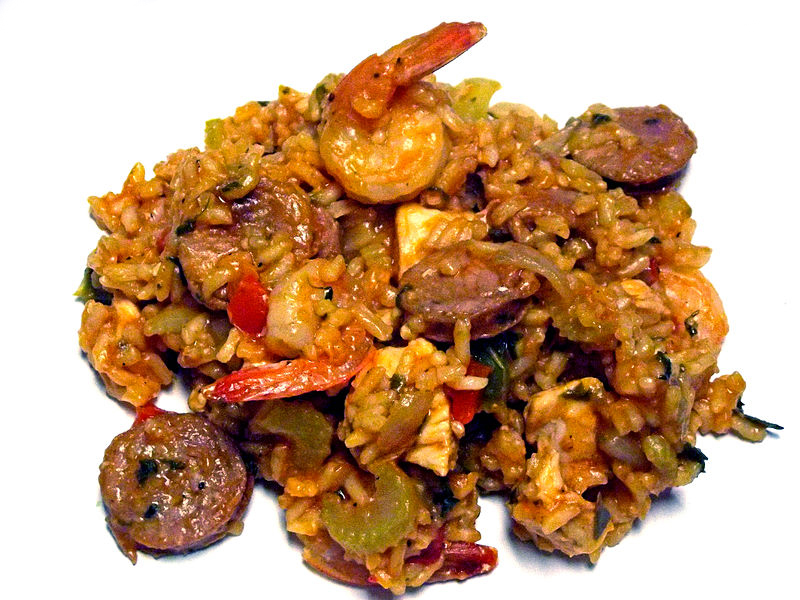
Master Authentic New Orleans Jambalaya: Your Stove-to-Oven Guide
Dive headfirst into the rich, savory heart of Louisiana cuisine with a truly authentic New Orleans jambalaya. More than just a meal, this iconic dish is a celebration of flavors, a symphony of cultures, and the ultimate one-pot comfort food. Often associated with the vibrant Mardi Gras festivities and the Gulf Coast's culinary traditions, New Orleans jambalaya (often referred to as 'red jambalaya') distinguishes itself with a robust tomato base and succulent shrimp, alongside the classic chicken and sausage. Forget dry, bland rice dishes; a perfectly executed jambalaya is moist, flavorful, and incredibly satisfying. This guide will walk you through the secrets to achieving that perfect balance, from the initial sizzle on the stovetop to the gentle finish in the oven, ensuring every spoonful of your
jambalaya recipe is a taste of pure Louisiana bliss.
Understanding New Orleans Jambalaya: A Culinary Tapestry
Jambalaya is a hearty, one-pot rice dish that embodies the diverse cultural heritage of Louisiana, drawing influences from Spanish paella, French culinary techniques, and West African flavors. At its core, it’s a harmonious blend of slowly cooked aromatic vegetables (the "Cajun holy trinity"), a mix of flavorful meats, and seasoned rice, all simmered together to create a deeply satisfying meal.
While there are two main types – Cajun and Creole – this article focuses on the New Orleans (Creole) style. Creole jambalaya, born in the bustling port city of New Orleans, often features tomatoes, which give it its characteristic "red" hue and a slightly sweeter, richer depth. It also commonly incorporates seafood like shrimp, reflecting the city's coastal proximity. In contrast, Cajun jambalaya, hailing from the rural bayous, typically has a browner, roux-based foundation without tomatoes and often relies on pork and smoked sausage. Our authentic New Orleans
jambalaya recipe masterfully combines elements, embracing the Creole tomatoes and shrimp while utilizing the flavorful Cajun technique of browning the meats.
The Stove-to-Oven Method: Why It's Best for Your Jambalaya Recipe
Many home cooks wonder about the best way to cook jambalaya, especially concerning the rice. The secret to a consistently perfect, moist, and flavorful jambalaya lies in a two-stage cooking process: starting on the stovetop and finishing in the oven. This method is a game-changer for any serious jambalaya enthusiast.
1.
Stovetop Start: Building Flavor Foundations
The initial phase on the stovetop is crucial for developing deep, complex flavors. This is where the magic truly begins:
*
Browning the Meats: Biting into a piece of perfectly browned chicken or spicy Andouille sausage adds incredible texture and flavor. Sautéing these ingredients first on the stovetop renders some of their fat, creating a savory foundation for the entire dish. This browning also adds a layer of caramelization, contributing to the dish's richness.
*
Sautéing the Holy Trinity: Onion, celery, and green bell pepper – the "holy trinity" of Cajun and Creole cooking – need time to soften and release their aromatic compounds. Slowly cooking them in the rendered fat from the meats creates a sweet, savory base that will infuse every grain of rice.
*
Deglazing and Spice Infusion: After the vegetables, you’ll add your tomatoes, broth, and a generous blend of spices (paprika, cayenne, garlic powder, onion powder, thyme, oregano, bay leaves). The stovetop heat allows these ingredients to meld, creating the rich, spicy liquid that will ultimately cook the rice.
2.
Oven Finish: The Key to Perfectly Cooked Rice
Once your flavor base is established and the rice and broth are added, the jambalaya transitions to the oven. This is where the stove-to-oven method truly shines, addressing common pitfalls of stovetop-only cooking:
*
Even Heat Distribution: An oven provides consistent, all-around heat. Unlike a stovetop, which applies direct heat only to the bottom of the pot, the oven envelops the entire pot, cooking the rice evenly from all sides. This significantly reduces the risk of the bottom scorching while the top remains undercooked.
*
Preventing Mushiness and Over-Stirring: Jambalaya is notorious for its moist texture, but there’s a fine line between perfectly cooked and mushy. The main culprits for mushy rice are over-stirring and over-cooking. In the oven, stirring becomes unnecessary! The even heat cooks the rice gently without the need for agitation, allowing the grains to absorb the liquid at a consistent rate without breaking apart. This hands-off approach ensures your rice remains distinct yet tender, embodying the ideal jambalaya texture.
*
Moisture Retention: Covering the pot tightly before placing it in the oven creates a sealed environment, allowing the steam to circulate and cook the rice perfectly while retaining precious moisture.
By embracing this stove-to-oven approach, you're not just cooking; you're orchestrating a culinary masterpiece, guaranteeing a moist, flavorful, and perfectly textured jambalaya every time.
Essential Ingredients and the "Holy Trinity"
An authentic jambalaya recipe is only as good as its ingredients. For a New Orleans-style dish, you'll want to focus on fresh, high-quality components that deliver bold flavors.
*
The Meats:
*
Chicken: Boneless, skinless chicken thighs are often preferred over breasts for their richer flavor and tendency to stay moist during cooking. Cut them into bite-sized pieces for even distribution.
*
Andouille Sausage: This spicy, smoked pork sausage is non-negotiable for authentic flavor. Its distinct smokiness and kick are central to the jambalaya experience. Slice it into coins or half-moons.
*
Shrimp: As a signature of Creole jambalaya, fresh, medium-sized shrimp add a delicious briny sweetness. They are typically added towards the end of the cooking process to prevent overcooking and rubberiness.
*
The Holy Trinity: This trio of aromatics forms the foundational flavor base for nearly all Cajun and Creole dishes.
*
Onion: Yellow or white onions, finely chopped.
*
Celery: Finely diced stalks, adding a subtle peppery note and texture.
*
Green Bell Pepper: Chopped, contributing a fresh, slightly bitter counterpoint to the richness of the other ingredients.
*
Tomatoes: Canned diced tomatoes, often with their juices, provide the characteristic red color and tangy sweetness of New Orleans jambalaya. Tomato paste can also be used to deepen the flavor.
*
Rice: Long-grain white rice is the traditional choice for jambalaya. Its starch content and texture are ideal for absorbing the flavorful liquid without becoming overly sticky or mushy when prepared correctly.
*
Broth and Seasonings: Chicken broth (or seafood broth if available) is the liquid of choice. A robust blend of Cajun or Creole seasoning, along with additional garlic, bay leaves, thyme, and cayenne pepper, will ensure your jambalaya pops with flavor.
Mastering the Rice: Rinsing and Avoiding Mushiness
The rice is the backbone of any jambalaya recipe, and getting it right is crucial. Two key steps will elevate your rice from merely cooked to perfectly fluffy and distinct: rinsing and mindful cooking. For even more detailed insights into perfecting your rice, check out our guide on
Jambalaya Secrets: Fluffy Rice, No Mushy Mess & Make-Ahead Tips.
1.
The Importance of Rinsing Rice:
While some recipes skip this step, rinsing your rice is paramount for a truly excellent jambalaya. Long-grain white rice, like most rice varieties, has excess starch on its exterior. If not removed, this starch can create a gummy, sticky, or even mushy texture in your final dish.
*
How to Rinse: Place the dry rice in a fine-mesh sieve. Hold it under cold running water, gently swishing the rice with your hand, until the water running through the sieve appears mostly clear (not cloudy). This usually takes 2-3 minutes. Allow the rice to drain thoroughly before adding it to your pot.
2.
Preventing Mushy Rice: The Oven's Role and "No-Stir" Rule:
As highlighted in the stove-to-oven method, the oven is your best friend in preventing mushy rice.
*
Even Heat: The oven's consistent, radiant heat ensures that all the rice grains cook at the same rate, absorbing the liquid evenly without hot spots that can lead to uneven cooking and overdone portions.
*
Avoid Over-Stirring: Once the rice and liquid are added and the pot is moved to the oven, resist the urge to stir! Frequent stirring releases starch, breaks down the rice grains, and can lead to a gummy, unappetizing texture. Let the oven do its work undisturbed.
*
Appropriate Liquid Ratio: Follow your chosen
jambalaya recipe's liquid-to-rice ratio carefully. Too much liquid will result in soggy rice, while too little will leave it undercooked.
*
Tight Lid: Ensure your pot has a tight-fitting lid or is sealed with foil. This traps steam inside, which is essential for cooking the rice thoroughly and uniformly.
By following these steps, you'll achieve rice that is beautifully cooked, individual, and infused with all the incredible flavors of your New Orleans jambalaya.
Serving and Making Ahead: Enjoying Your Jambalaya
While a steaming pot of fresh jambalaya is undeniably at its peak moments after it's cooked, this hearty dish is also surprisingly adaptable for leftovers.
*
Best Enjoyed Fresh: The vibrant flavors and perfect texture of hot, freshly made jambalaya are truly an experience. The meats are tender, the rice is perfectly moist, and the spices are bright. Plan to enjoy it the day it's made for the optimal experience.
*
Storing Leftovers: If you find yourself with extra (a common, delightful problem!), jambalaya stores beautifully.
* Allow the jambalaya to cool completely before transferring it to an airtight container.
* Store in the refrigerator for up to 3 days. The flavors often deepen overnight, making for a delicious second meal.
*
Reheating for Optimal Results: The key to successful reheating is to warm it through without drying out the rice or making it mushy.
*
Oven Reheating (Recommended): For larger quantities or to best preserve the rice's integrity, the oven is your best bet. Place the jambalaya in an oven-safe dish, add a splash of chicken broth or water (about 1-2 tablespoons per serving) to help rehydrate, cover tightly with foil or a lid, and bake at 350°F (175°C) for 35 to 45 minutes, or until heated through. This gentle, even heat prevents the rice from breaking up.
*
Stovetop Reheating: For individual servings, you can reheat gently on the stovetop in a covered saucepan over low heat, adding a tablespoon or two of broth or water to prevent sticking and dryness. Stir occasionally and carefully to avoid mushing the rice.
*
Microwave: While convenient, the microwave can sometimes dry out the rice or cook it unevenly. If using, add a splash of water, cover, and microwave in short bursts, stirring between, until hot.
No matter how you enjoy it, your homemade jambalaya is sure to be a crowd-pleaser, embodying the spirit and warmth of New Orleans.
Conclusion
Crafting an authentic New Orleans jambalaya is a culinary journey, a delightful exploration of flavors, techniques, and cultural heritage. From the careful browning of meats and sautéing of the holy trinity on the stovetop to the crucial, hands-off perfection achieved in the oven, every step contributes to a dish that is rich, satisfying, and deeply comforting. This comprehensive guide, emphasizing the unique stove-to-oven method and the importance of rinsing rice, ensures your
jambalaya recipe will yield a moist, flavorful, and perfectly textured result. So gather your ingredients, follow these expert tips, and prepare to bring the vibrant, soulful taste of the Big Easy right into your kitchen. Enjoy the fruits of your labor – a true masterpiece of Southern comfort food!