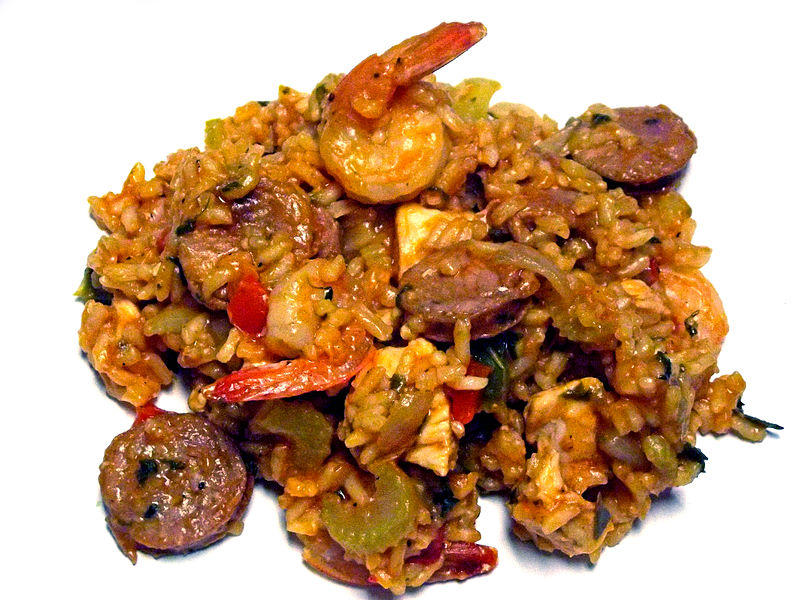
Jambalaya Secrets: Fluffy Rice, No Mushy Mess & Make-Ahead Tips
There's nothing quite like a hearty pot of jambalaya to bring warmth and flavor to any table. This iconic Louisiana dish, a vibrant celebration of culture and cuisine, effortlessly combines a symphony of meats, vegetables, and rice into one gloriously satisfying meal. A true one-pot wonder, a well-made jambalaya is more than just food; it's an experience. If you’ve ever dreamt of serving up a rich, robust, and authentic jambalaya recipe with perfectly fluffy rice—not a mushy mess—and wondered about the best ways to enjoy it beyond the first serving, you're in the right place. We're diving deep into the secrets that transform a good jambalaya into a great one, including ingenious cooking methods and smart make-ahead strategies.
The Heart of Louisiana: Understanding Jambalaya
Jambalaya is a culinary masterpiece with a fascinating backstory, deeply rooted in the diverse heritage of Louisiana. Born from a melting pot of Spanish paella, French influences, and African ingredients, it tells a delicious tale of cultural fusion. Primarily, we recognize two main styles: Cajun and Creole. Our focus here, often associated with the vibrant city of New Orleans and its proximity to the Gulf, leans towards the Creole style, famously known as "red jambalaya." This version distinguishes itself with the inclusion of tomatoes and often features succulent shrimp alongside classic proteins like chicken and spicy andouille sausage.
At its core, any authentic jambalaya recipe celebrates the "Cajun holy trinity": a slowly cooked base of chopped onion, celery, and green bell pepper. These aromatic vegetables lay the foundation for the dish's complex flavor profile. When combined with a robust mixture of chicken, rich andouille sausage, plump shrimp, and seasoned rice, the result is a dish that's spicy, smoky, intensely satisfying, and perfect for feeding a crowd. While it may seem intimidating to prepare, especially for first-timers, jambalaya is surprisingly customizable and incredibly rewarding to master. To explore more about the foundational elements and how to build a flavor-packed experience, check out
Unlock Flavor: Your Guide to a Perfect One-Pot Jambalaya Feast.
The Secret to Fluffy Rice: Your Guide to a Perfect Jambalaya Recipe
One of the most common challenges home cooks face when attempting a jambalaya recipe is achieving that elusive fluffy rice, avoiding the dreaded mushy texture. This is often the line between a good jambalaya and a truly great one. The main culprits behind a gluey, overcooked pot are typically over-stirring and allowing the rice to cook unevenly. But fear not, there are tried-and-true techniques to ensure your rice comes out perfectly every time.
First and foremost, let's talk about **rinsing your rice**. This simple step is a game-changer for fluffiness. Rice grains naturally have a layer of excess starch on their exterior. If left unrinsed, this starch releases into the cooking liquid, thickening it and leading to a stickier, mushier final product. To rinse, place your rice in a fine-mesh sieve and run it under cold water in the sink. Gently swish the rice around with your hand for 2 to 3 minutes, or until the water mostly runs clear. This action effectively washes away the loose starch, paving the way for beautifully separated, fluffy grains. It's a small effort that yields a significant difference in your jambalaya recipe.
Beyond rinsing, the key to preventing mushiness lies in understanding how rice cooks. Unlike a risotto, where constant stirring is desired to create a creamy texture, jambalaya rice benefits from minimal agitation once the liquid is added. Stirring too much releases more starch, exacerbating the stickiness. This brings us to our next crucial secret: the stove-to-oven cooking method.
Stove-to-Oven: The Ultimate Cooking Method for Jambalaya
While many rice dishes are cooked entirely on the stovetop, a superior jambalaya recipe often finishes in the oven. This method is specifically designed to tackle the issues of uneven cooking and the temptation to over-stir, ensuring your rice cooks perfectly without scorching or becoming mushy.
The process begins on the stovetop, where the foundational flavors are built. You'll first brown your chicken and sausage, creating a rich, caramelized base. Following this, the "holy trinity" of vegetables (onion, celery, and bell pepper) are sautéed until golden and softened, deepening their sweetness and aroma. This initial stovetop phase is crucial for developing layers of flavor.
Once the meats are browned and the vegetables are tender, the rinsed rice and broth are added to the pot. A quick stir to combine everything, and then—here's the magic—the pot moves from the stovetop directly into a preheated oven.
The oven provides a consistent, even heat distribution from all sides, which is vastly superior to the direct heat of a stovetop burner. This eliminates hot spots at the bottom of the pot, preventing the rice from scorching and sticking. More importantly, it removes the necessity for stirring. Once covered and in the oven, the rice simmers gently, absorbing the flavorful broth without active intervention. This undisturbed environment allows the rice grains to hydrate evenly and expand without breaking apart, resulting in that perfectly cooked, moist-but-not-mushy texture that defines a great jambalaya. For a detailed walkthrough of this technique, check out our comprehensive guide:
Master Authentic New Orleans Jambalaya: Stove to Oven Guide. This method not only perfects the rice but also frees up your stovetop, allowing you to focus on other elements of your meal.
Mastering Make-Ahead: Enjoying Your Jambalaya Longer
While a steaming hot pot of jambalaya is arguably best enjoyed fresh, its robust flavors actually deepen over time, making it an excellent candidate for meal prep or enjoying leftovers. However, reheating requires a bit of finesse to maintain the dish's integrity and prevent the rice from drying out or becoming overly soft.
For storage, freshly cooked jambalaya will remain delicious for up to **3 days when stored properly in the refrigerator**. Make sure it's cooled quickly before transferring it to an airtight container.
When it comes to reheating, especially a larger amount, the oven is your best friend. This method gently warms the dish through without further disturbing the rice grains, which can happen with aggressive stirring on the stovetop or uneven microwave heating.
Here’s how to reheat a large batch of your jambalaya recipe in the oven:
- Transfer the chilled jambalaya to an oven-safe dish.
- Add a splash of chicken or vegetable broth (about ¼ to ½ cup for a medium-sized dish) to help reintroduce moisture and prevent drying.
- Cover the dish tightly with aluminum foil or a well-fitting lid.
- Bake at 350°F (175°C) for 35 to 45 minutes, or until it is heated through completely. The foil or lid creates a steamy environment, helping the rice regain its original texture.
For smaller, individual portions, a microwave can suffice. Add a tablespoon or two of broth or water, cover, and microwave in short bursts, stirring gently between each, until hot. While reheating, expect the rice to absorb some more liquid, so don't be alarmed if the texture is slightly different from freshly cooked. A little extra broth goes a long way in refreshing its appeal.
Customizing Your Jambalaya: Making It Your Own
One of the most appealing aspects of a classic jambalaya recipe is its inherent versatility. While the core elements remain consistent, there's ample room for personal touches and dietary adjustments, allowing you to truly make the dish your own.
Consider the **proteins**:
- Meats: While chicken (thighs are often preferred for their moisture and flavor) and spicy andouille sausage are traditional, you can explore other options. Kielbasa or chorizo can offer a different smoky profile, and some even enjoy pork.
- Seafood: Shrimp is a Creole staple, but don't hesitate to add crawfish, mussels, or even chunks of firm white fish for a more elaborate seafood jambalaya. Ensure seafood is added later in the cooking process to prevent overcooking.
- Vegetarian Options: For those avoiding meat, firm tofu, hearty mushrooms, or even a mix of beans (like kidney or black beans) can provide substance and flavor, though it departs from tradition.
Expand on the **vegetables**:
Beyond the holy trinity, you can introduce other vegetables to enhance flavor, texture, and color. Red or yellow bell peppers add sweetness, while corn or peas can provide pops of brightness. While okra is often used in gumbo as a thickener, it's not authentic to traditional Cajun or Creole jambalaya, but if you love its unique taste, feel free to experiment with a small amount. Just be mindful of its mucilaginous properties.
Don't forget to adjust the **spice level** to your preference. A good Cajun seasoning blend is essential, but you can kick up the heat with extra cayenne pepper or a generous splash of your favorite hot sauce at the table. Finally, the choice of **broth** also matters. Chicken broth is standard, but seafood broth can amplify the flavors in a shrimp-heavy jambalaya, and vegetable broth is a suitable base for vegetarian versions.
Mastering a superb jambalaya recipe is an incredibly rewarding culinary journey. By understanding the foundational secrets—from rinsing your rice to adopting the strategic stove-to-oven cooking method—you can confidently achieve that coveted fluffy rice every time. Coupled with smart make-ahead and reheating tips, your rich, flavorful, and perfectly textured jambalaya can be enjoyed for days. So gather your ingredients, embrace the spirit of Louisiana cooking, and prepare to create a one-pot meal that will impress and satisfy.